
MAINTENANCE OVERSIGHT

Maintenance decisions that
protect more than today.

We assess urgency, cause, resident impact, scope, cost, and future exposure before work begins.

Discuss Maintenance Oversight→→

Maintenance is the operating layer.

Preventive maintenance, emergency response, inspections, vendor coordination, and capital planning should work together.

Roof shingle detail under maintenance oversight
THE DISCIPLINE

Maintenance is not a service tier.

It is the discipline that protects every asset class.

PreventiveScheduled & documented
Emergency responseCoordinated when it counts
InspectionsPhoto-backed findings
Capital planningLong-horizon, owner-visible
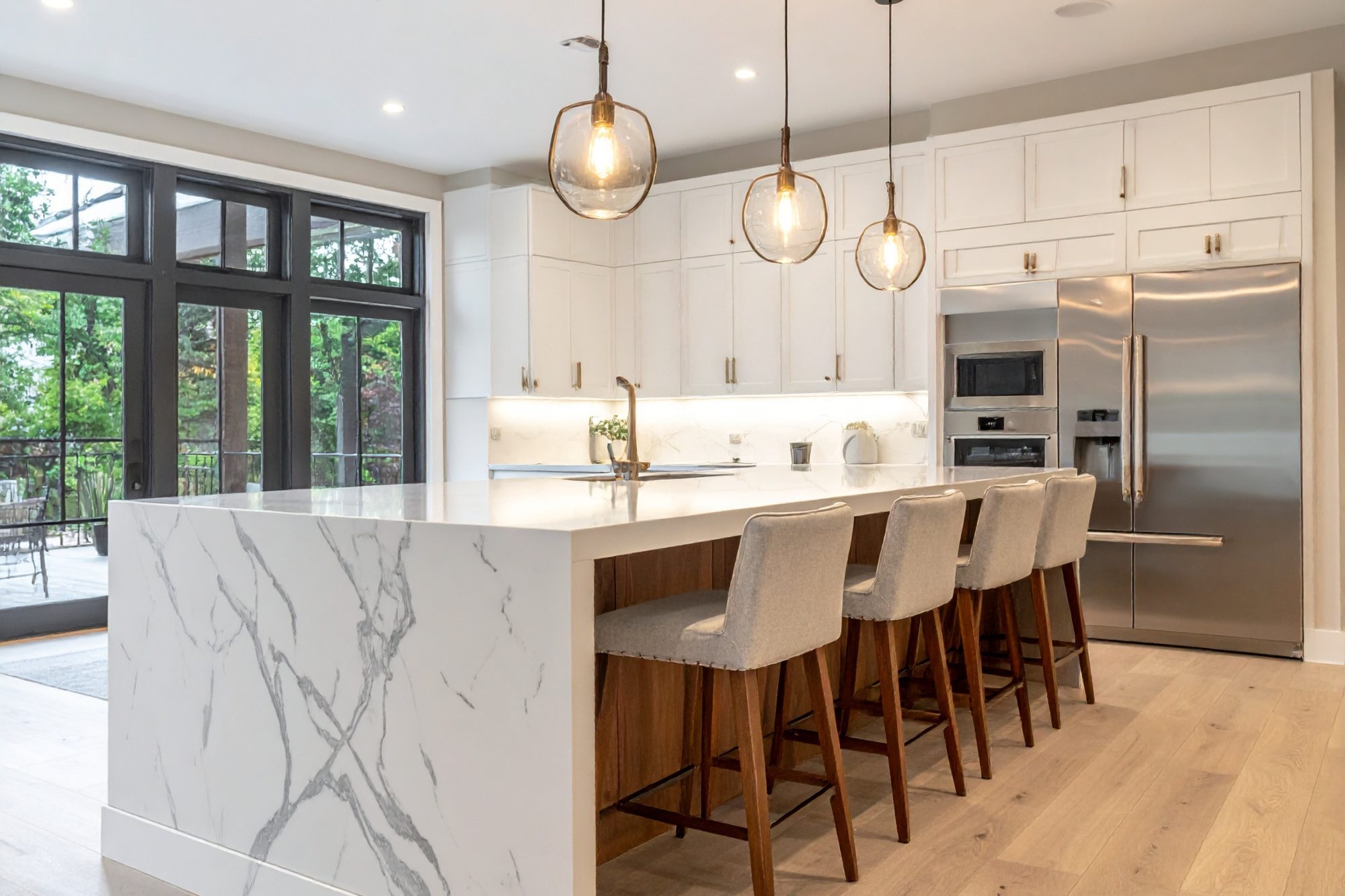
Documented interior of a managed residence
THE RECORD

Written scope. Documented completion.

The property's maintenance history stays intact.

Before work startsWritten scope
During the workPhotos & updates
After completionDocumented close-out
The resultOne continuous history
INSPECTION PROGRAMS

The right cadence for the property—not a one-size-fits-all package.

Essential, Preferred, and Premier provide a starting framework. Final coverage is shaped by property traffic, condition, systems, and owner priorities.

01

Essential

Smaller, lower-traffic properties

Planned quarterly inspections

A dependable baseline for visible condition, routine needs, and next-step planning.

02CLOSER CADENCE

Preferred

Properties that need a closer rhythm

Planned monthly inspections

Adds a tighter review cycle with coordinated vendor and service-contract oversight.

03

Premier

High-visibility, high-traffic assets

Planned bi-weekly inspections

A higher-touch operating cadence with a dedicated point of contact.

Inspection cadence, response standards, included services, and pricing are confirmed in the written property scope.

From ticket to decision.

BASIC COORDINATION

Receives a request, calls a company, and forwards an invoice.

VITALITY'S OPERATING STANDARD

Evaluates the issue, defines the needed result, connects supporting evidence, applies the owner's approval rules, coordinates the response, and preserves the outcome in the property record.

THREE QUESTIONS

Every issue gets the same disciplined review.

01
What needs to happen right now?

Address safety, habitability, access, and active damage.

02
What caused the issue?

Separate wear, deferred maintenance, material failure, installation conditions, and resident responsibility where relevant.

03
What does this mean next?

Determine whether the issue changes an inspection, reserve, recurring-maintenance, or capital decision.

SCOPES CONSIDERED
Roofing and drainageHVAC and seasonal systemsElectrical conditionsPlumbing and water-related concernsExterior surfaces and concreteInterior repairs and turnover workPreventive inspectionsCompletion quality control
THE DECISION FRAMEWORK

Five types of work. One decision standard.

Southern Utah context: heat, sun, dust, hard water, HVAC demand, irrigation, drainage, roofing exposure, and exterior wear change the maintenance plan. Seasonal attention is matched to the property's actual systems and condition.

EMERGENCY
Immediate safety, habitability, or active-damage response.
REQUIRED
Work required by an agreement, applicable obligation, or operating necessity.
PREVENTIVE
Planned care intended to reduce avoidable failure.
CAPITAL
End-of-life or major system work that requires owner planning.
COSMETIC
Appearance work that can be evaluated against timing and budget.
MATERIAL-WORK PROCESS
Assess.→Scope.→Approve.→Execute.→Document.→Update.

For material work, the Proposal Packet keeps the condition, defined scope, subcontractor information, proposal, Vitality recommendation, owner action, completion proof, and invoice connected.

Make the next maintenance
decision with evidence.

Tell us about the property and the concern in front of you. Vitality will review fit and the next practical step.

Discuss Maintenance Oversight→→